South African apparel sourcing has been drifting towards India for several years, and the reasons are less about price than most people assume. Three of them are structural.
The sea leg is the argument
India to Durban is typically 14–18 days port to port. Far East routes into South Africa are considerably longer.
That difference is not really about speed. It is about cash. A shorter leg means less working capital sitting in water, and — more usefully — a realistic chance of reacting to a season rather than committing to it a year in advance.
For a corporate or promotional business where a client’s order arrives with a date attached, the ability to place, produce and land inside a quarter changes what you can say yes to.
The time zone is underrated
Tirupur is three and a half hours ahead of SAST. A question sent at nine in the morning in Johannesburg is answered the same working day.
That sounds minor until you compare it with a supply base where every exchange costs a full day. On a programme with several sampling rounds, a same-day response cycle can take weeks out of the calendar before production even starts — and sampling rounds are where schedules actually go, not production.
India grows the cotton
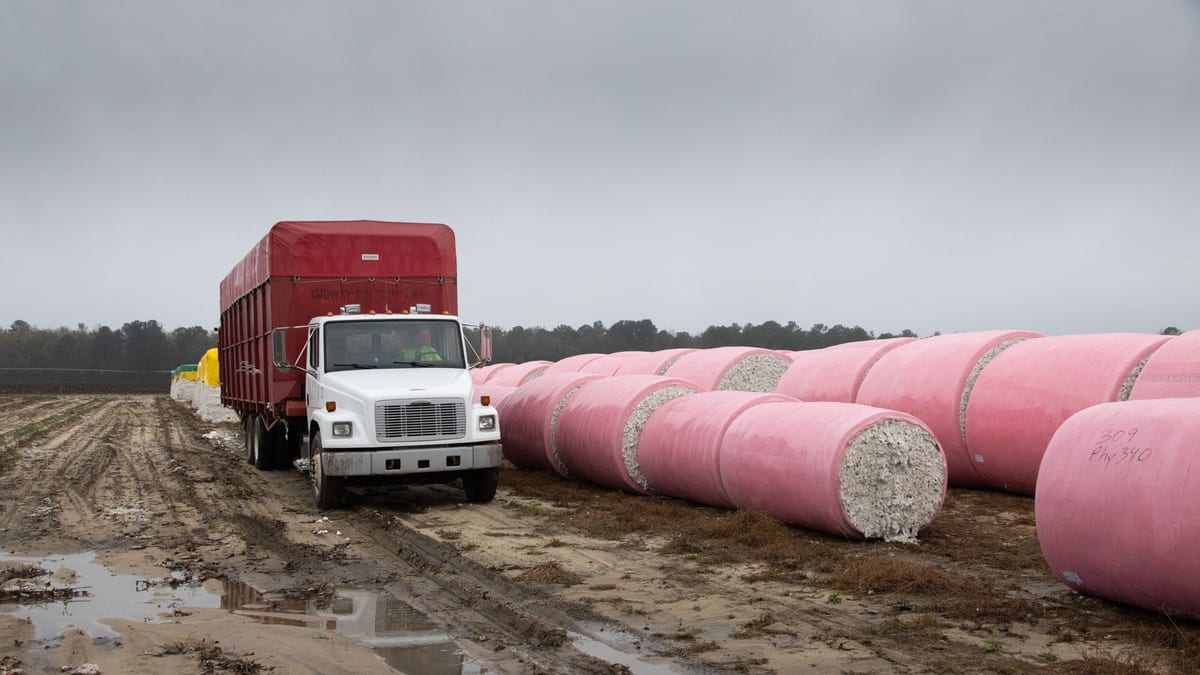
The reason India competes hardest specifically in cotton knitwear is upstream: it grows and spins its own cotton at scale, so the yarn is domestic rather than imported.
That shows up as fabric flexibility. A factory in a cotton-growing cluster can knit to the weight and yarn your style needs, rather than working from whatever the market has stock of — which is the difference between a specification and a suggestion.
It is also why the specialisation is narrow. India is strong in cotton knits and home textiles. For technical outerwear or footwear, the Far East is straightforwardly better, and any supplier who tells you otherwise is quoting on something they will subcontract.
Where the Far East still wins
Being honest about this, because the shift is not total:
- Very high volume basics — the largest programmes still often price better in the Far East
- Technical outerwear and performance footwear — a different manufacturing base entirely
- Synthetic-heavy products where the fibre is not India’s strength
- Established relationships that work — a good supplier you have used for a decade is worth more than a marginal freight saving
The sensible position for most South African importers is a mixed base rather than a wholesale switch. The reason to have India in the mix is the short leg and the response time; the reason to keep other sources is category and capacity.
What actually decides your outcome
The country is a weak signal. Every sourcing cluster in every country contains factories, trading houses and agents, and all three describe themselves as manufacturers.
Switching to India and landing with a trading office is not an improvement on a Far East trading office. The verification work is identical wherever you go: ask which production stages happen inside their building, ask for a video walkthrough on short notice, verify the registration numbers, and place a small trial order before a large one.
How to choose a t-shirt supplier for South Africa goes through it, and it matters more to your result than the country on the invoice.
Before you switch
Four practical things:
- Run the landed cost properly. Duty, freight, transit and cash tied up — not unit price. Get the duty position from your clearing agent, with the paperwork sorted first.
- Test with one style. 300 pieces of a product you already sell tells you more than any comparison spreadsheet.
- Compare like with like. Same fabric weight, same yarn, same finishing, same Incoterm. A cheaper quote at a different specification is not a cheaper quote.
- Check the shade policy if you are doing repeat corporate work — matching against the original lab dip rather than the last batch is the question that decides a multi-year contract.
The question to ask a new supplier first
If you take one thing from a comparison exercise, make it this: ask which production stages happen inside the supplier’s own building.
Knitting, dyeing, cutting, stitching, decoration, packing. A factory answers immediately and names the ones it sends out — nobody owns all six, and saying so is the honest answer. An agent says “we handle everything”, which sounds better and tells you nothing.
That one question separates the two faster than any amount of comparison, and it works identically in Tirupur, Dhaka or Guangzhou.
What a realistic first order looks like
Quote in 1–2 working days, sample in 7–10 working days, production 30–45 days after approval, then 14–18 days to Durban. Two to three months from commitment to sellable stock, most of which is sampling and approvals rather than manufacturing.
If that timeline works for a trial, it works. If it does not, the honest answer is that no overseas supply base will suit that programme, and the conversation should be about domestic stock instead.
We knit, dye, cut, stitch, print and pack cotton knitwear in one unit in Tirupur, and ship into Durban, Cape Town and Port Elizabeth for South African importers, corporate clothing suppliers and promotional distributors. If a trial is the sensible way to test all of the above, that is where we would start too — send us a spec and we will come back with a quote and an honest lead time.
Keep reading

How to choose a t-shirt supplier for South Africa
What actually matters when you are importing tees into South Africa: sea leg, GSM for the climate, shade consistency across repeat orders, and the paperwork your clearing agent will want.
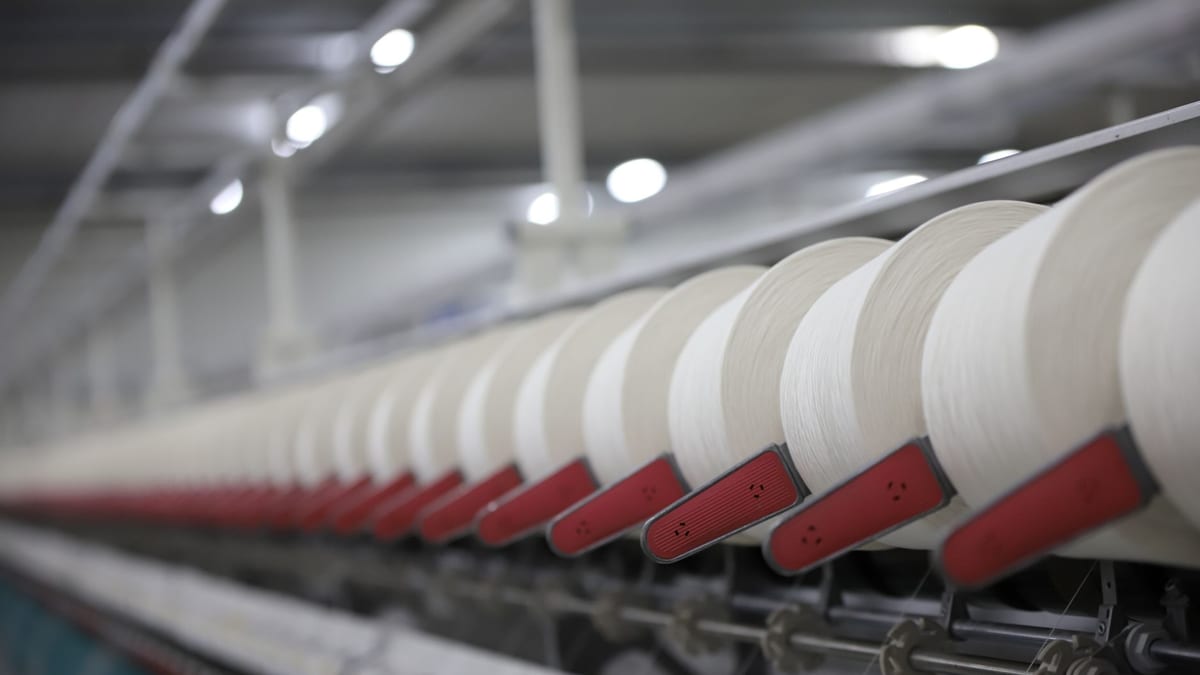
Clothing manufacturers in India: a buyer's guide to sourcing, MOQs and lead times
What it actually takes to get garments made in India — how to tell a factory from an agent, what minimums and lead times are realistic, and what a private label programme involves.
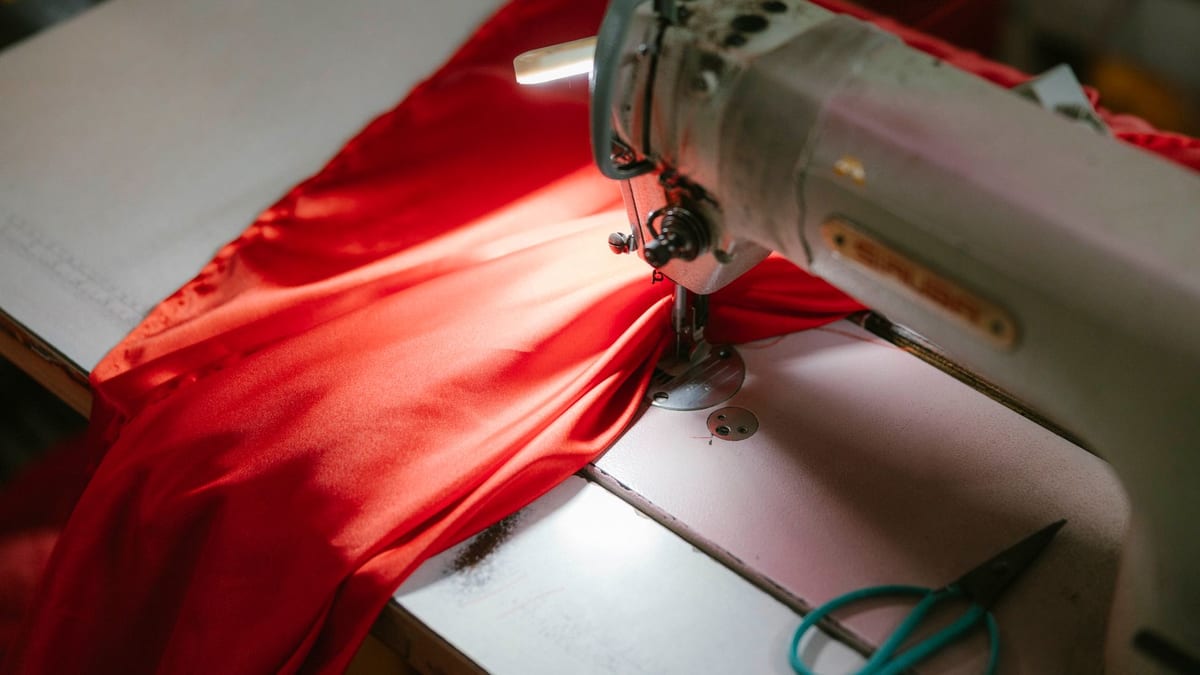
How to find a clothing manufacturer (without getting burned)
The order of operations that works: define the garment, shortlist factories, verify them, sample, then place a small first order. Written by a factory, including the parts that are not flattering to us.