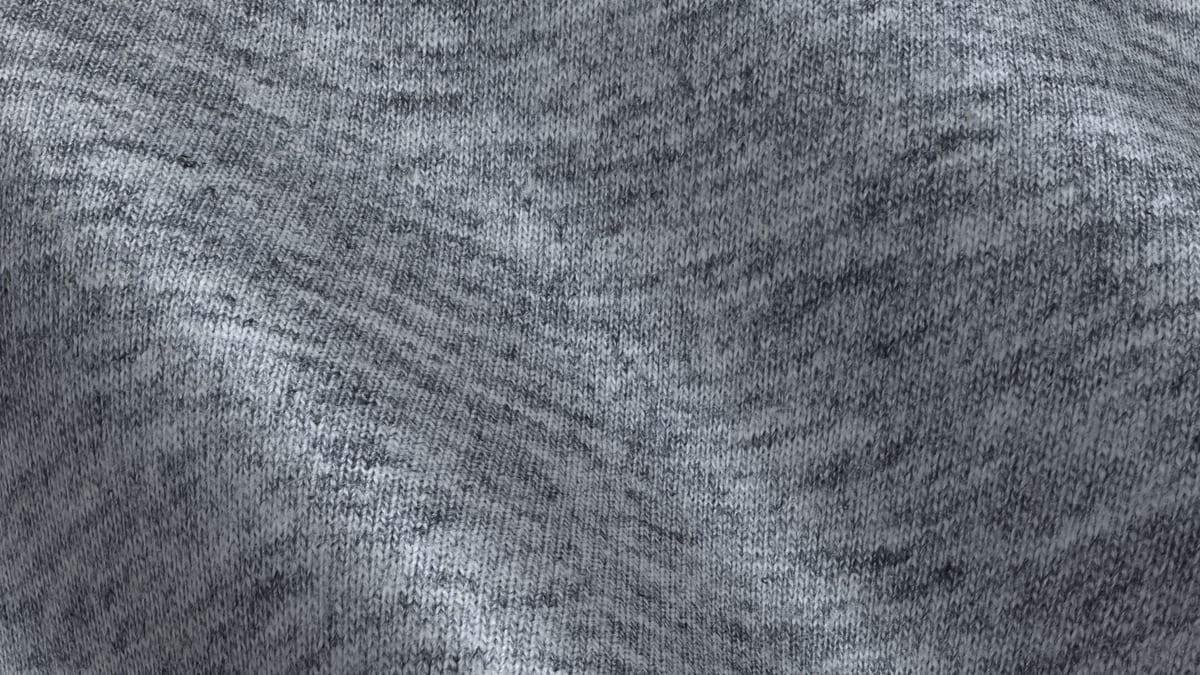
Most South African orders come down to a choice between two numbers, and buyers ask for the heavier one more often than they should. Here is how to decide properly.
This is one line of a specification. If you are still deciding who to place the order with, choosing a t-shirt supplier for South Africa comes first — the weight only matters once you know the fabric is being knitted rather than bought in.
The short answer
| Use | Weight | Why |
|---|---|---|
| Promotional and event tees | 150 GSM | Volume matters, longevity does not |
| Corporate uniform tees | 180 GSM | Survives commercial laundering, comfortable in summer |
| General retail | 180 GSM | The market default for a reason |
| Premium retail | 220 GSM | Hangs rather than clings, reads as substantial |
| Corporate polos | 200–240 GSM | Pique needs body to hold a collar |
| Streetwear and oversized | 220–260 GSM | The silhouette needs weight to work |
If you take one thing: 180 is the default, 220 is a decision. Not the other way round.
Why 180 is the default here
180 GSM single jersey is opaque in white, holds its shape through repeated commercial laundering, and is comfortable in a Durban summer or a Limpopo one. That combination is why it carries most of the corporate and retail volume in this market.
It also prints well. At 180 the fabric has enough body to take a screen print without the ink pulling the cloth out of shape, which is the failure you see on lighter promotional tees.
For a corporate programme where the same garment gets washed weekly for two years, 180 is the weight that survives it without being uncomfortable to wear in February.
When 220 is the right call
Three cases where the extra weight earns its cost:
Premium retail positioning. A 220 GSM tee feels different in the hand at the point of sale, and it hangs from the shoulder rather than following the body. If your customer is comparing garments on a rail, this is visible.
Oversized and drop-shoulder blocks. Not optional. A boxy pattern in 180 GSM does not read as oversized, it reads as a shirt that does not fit — the fabric has to be heavy enough to hold a line.
Polos and anything with a collar. Pique at 200–240 has the density to keep a collar from curling after a few washes.
When 220 is the wrong call
Promotional and giveaway runs. Nobody assesses the hand-feel of a tee they were given at a conference. You are paying for weight the recipient will not notice, twice — once in cloth and once in freight.
High-heat, high-humidity end use. A 240 GSM tee sold into a hot market is a garment that sits on the shelf. Weight signals quality in northern Europe; in much of South Africa it signals a shirt that is uncomfortable by ten in the morning.
When the budget is fixed and something has to give. If a programme has to lose cost, dropping from 220 to 180 is a far better trade than dropping from combed to carded yarn. The first is a specification change. The second is a quality change your customer will feel at the tenth wash.
What the extra 40 grams costs
Two places, and buyers usually budget only the first.
Cloth. Going from 180 to 220 is roughly a fifth more fabric per garment, which flows into the piece price.
Freight. GSM is weight, and sea freight is charged on it. On a 5,000-piece order the difference is real. The India-to-Durban leg is short — typically 14–18 days port to port — which helps your cash position, but it does not make the weight free.
Get both into the costing before you compare quotes, not after the forwarder invoices you.
For a giveaway run specifically, the weight is only one of several decisions that differ from retail — what to spec for a promotional print run covers the rest.
The thing GSM does not tell you
A 200 GSM tee knitted from coarse carded yarn will feel worse and last less time than a 160 GSM tee in fine combed cotton. Weight measures how much fabric is present, not how good it is.
The two decisions that actually determine how the garment ages are yarn type — combed or carded — and whether the fabric was compacted and pre-shrunk before cutting. Neither shows on a sample examined new. The full explanation of what GSM measures and hides is worth ten minutes before you finalise any spec.
The fibre choice matters as much as the weight, particularly here: cotton or poly-cotton for this climate is a separate decision from the number of grams.
How to specify it so you get what you asked for
Ask for the weight with a tolerance, because knitted fabric varies naturally — ±5% is normal and accepted across the industry. A supplier who promises exactly 200 GSM with no tolerance is either inexperienced or not being straight with you.
Then ask for the yarn count and whether the fabric is compacted. How to buy by GSM without being misled goes through the rest of the questions and how to compare two quotes at different weights.
We knit our own fabric in Tirupur from 120 GSM through to 380 GSM, so we can spec against the garment rather than against whatever the market has in stock, and we supply South African importers and corporate clothing suppliers from 300 pieces per style per colour. Tell us the end use and we will recommend a weight — including telling you when the lighter one is the right answer.
Keep reading
Cotton or poly-cotton for South Africa's climate
Fibre is a separate decision from fabric weight, and it changes more about how a garment behaves. What cotton, poly-cotton and polyester each do in heat, in a commercial laundry and under a print.
How to choose a t-shirt supplier for South Africa
What actually matters when you are importing tees into South Africa: sea leg, GSM for the climate, shade consistency across repeat orders, and the paperwork your clearing agent will want.
Streetwear manufacturing: why oversized blocks need heavier fabric
An oversized tee cut in 160 GSM does not look oversized, it looks too big. What a streetwear block actually requires from the fabric, the pattern and the print — and what it costs in freight.